There is a specific moment in any long-distance relay when the initial excitement fades, and the reality of the terrain sets in. Your muscles ache, the incline sharpens, and the finish line feels impossibly distant. In those quiet miles, you realize that raw speed doesn’t matter anymore.
Endurance is entirely about mechanical efficiency and steady performance over time.
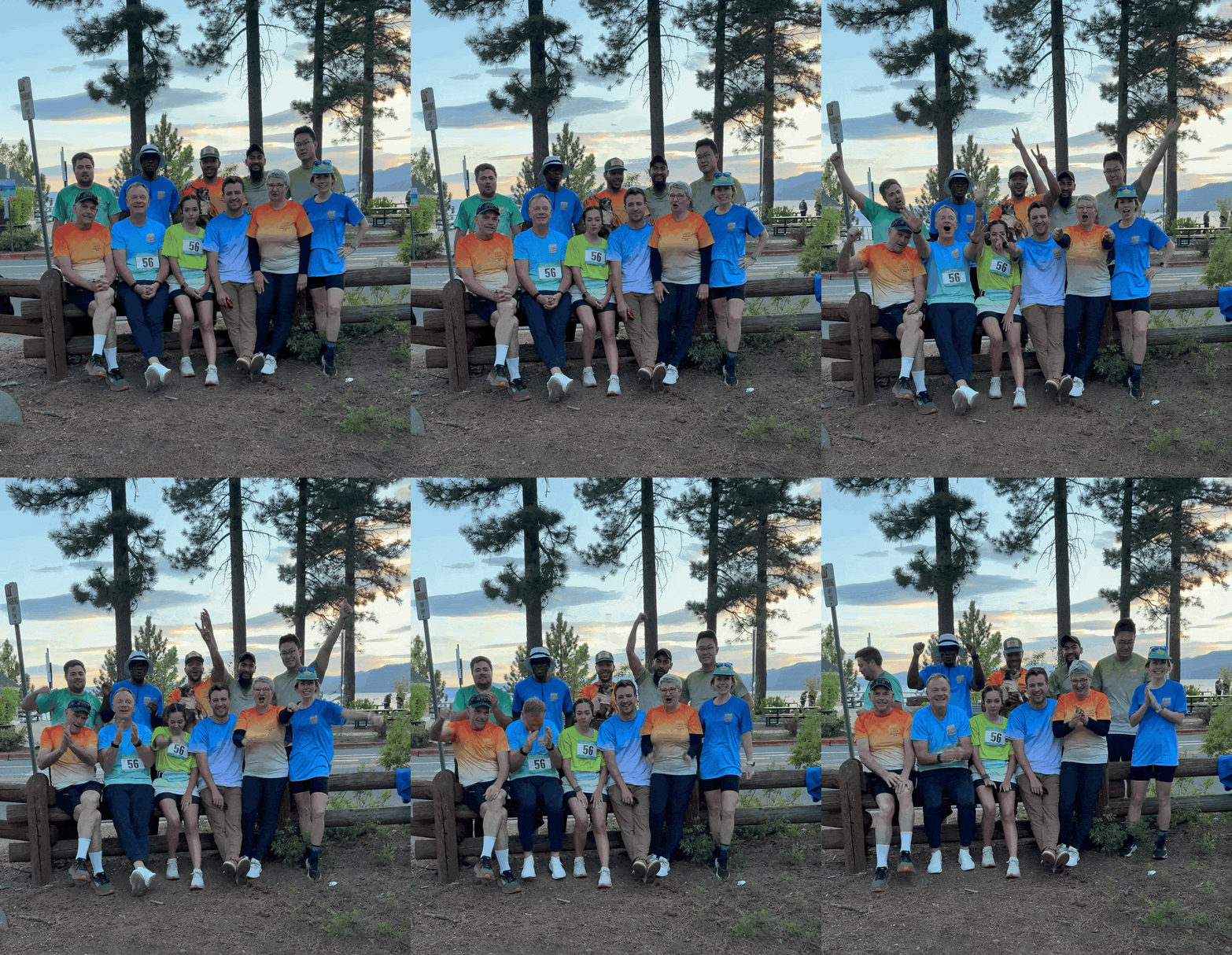
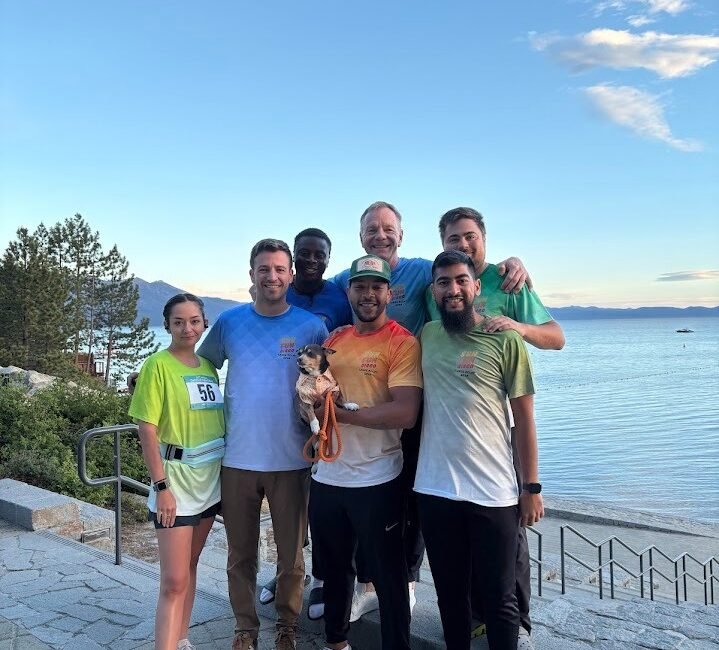
Recently, the Sunstall team traded our hardhats for running shoes and headed to Lake Tahoe to tackle a grueling 70.2-mile relay race. We didn’t do it just for team-building or the crisp alpine air. We did it to put our corporate philosophy to the ultimate physical test.
Tuning the Human Machine
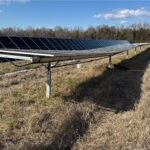
We often talk about “repowering” aging solar fields, but true performance begins with the assets we carry inside ourselves. Just like an early-generation solar tracker operating under years of environmental stress, the human body requires deliberate maintenance to stay in peak condition.
You cannot demand top performance from an aging asset without investing in its foundation.

On the trails of Tahoe, every member of our team had to confront their own physical limits. We trained, we paced ourselves, and we worked to get back into fighting shape. It was a visceral reminder that structural integrity—whether it is a runner’s stride or a steel torque tube—is something you have to actively maintain.
The Ageless Standard of Peak Performance
What we discovered out on those mountain trails crossed generational lines. Whether an asset was 25 years old or 60 years old, the capacity for peak performance remained entirely unchanged.
Age is a variable; root commitment is the constant.
When you commit to the foundational mechanics, chronological age becomes irrelevant. A well-tuned, structurally reinforced legacy asset can run side-by-side with the newest technology on the market and match it stride for stride.
Upgrading the Skeleton, Not Just the Software
In the solar industry, it is easy to get distracted by flashy software updates or next-generation monitoring apps. But when the wind howls and the ground shifts, software won’t hold your panels in place. It is the physical execution, the mounting, and the structural skeleton that bear the true burden of time.
Structural Legacy: A solar site should not be treated as a disposable piece of tech, but rather as a durable infrastructure asset built to last for generations.
Mechanical Resilience: True optimization requires diving deep into the hardware, replacing worn components, and reinforcing the structural skeleton.
Preventative Tuning: Just as we monitored our heart rates and joint alignment on the trail, solar assets require precise physical adjustments to combat mechanical fatigue.
We don’t believe in the “throwaway culture” that dominates modern technology. We believe in inheritance.
Walking the Talk, Every Single Mile
If we are going to look a utility provider or an asset manager in the eye and promise to revitalize their aging solar infrastructure, we have to embody that exact same standard of execution ourselves. We have to stand for peak performance in every cell of our organization.
Our trip to Tahoe wasn’t a vacation; it was a live demonstration of our core mission.
We pushed through the fatigue because we understand that maintaining an asset, whether it is a 70-mile mountain loop or a 100-megawatt solar farm is an act of stewardship. It is a commitment to optimizing what we already have, integrating our energy into the natural landscape, and ensuring that our physical foundations remain unbroken for the long haul.