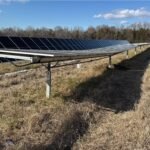
As utility-scale solar infrastructure matures, managing end-of-life solar PV modules is transitioning from a future challenge to an immediate operational necessity. Asset owners, EPCs, and project developers face strict sustainability targets and rising site remediation expectations. At Sunformance, the specialized mechanical asset performance division of Sunstall, we lead site teardown, structural recovery, and logistics management across North America. Resolving downstream material streams while controlling project economics and environmental impact remains central to our mission.
Traditional Solar Module Recycling Methods
Standard solar module recycling relies on centralized facilities. When modules are decommissioned, they are packaged, loaded onto flatbeds or freight trucks, and shipped across the country to fixed regional hubs. Upon arrival, conventional processing methods typically include:
Mechanical Separation & Shredding: The junction box and wiring harness are removed, followed by frame removal. The remaining glass-cell-polymer laminate is coarsely shredded and sorted into broad material fractions. While cost-effective, extensive shredding often leads to cross-contamination between glass, polymers, and silicon.
While centralized facilities process large volumes, transportation logistics represent one major cost leverage driver and carbon emitter during utility-scale site decommissioning. Trucking tens of thousands of heavy glass modules thousands of miles consumes substantial fuel, increases project risk, and undermines net-zero environmental objectives.Type your paragraph here
The Game-Changer: Containerized On-Site Separation Units
Containerized PV recycling equipment integrated into standard shipping containers brings industrial-grade processing capability directly to the project site. Rather than shipping intact, bulky solar panels across states, mobile processing units set up on-location to separate modules into clean, high-density raw material streams right at the field perimeter.

Drastic Freight & Logistics Reduction: By processing panels on-site, weight and volume are reduced to sorted fractions. Clean glass, aluminum frames, copper/cables, and silicon fractions can be shipped directly to local end-markets or secondary raw material manufacturers, eliminating long-distance hauling to centralized plants.
Substantial CO2 Footprint Reduction: Eliminating thousands of long-haul diesel truck miles directly lowersScope 3 carbon emissions associated with site remediation and asset end-of-life management.
Streamlined Mechanical Workflows: Deploying mobile units creates an efficient, continuous workflow from rack dismantling to immediate processing eliminating double-handling and multi-month storage backlogs. Streamlining this mechanical workflow minimizes recycling costs, as logistics represent a major cost leverage in decommissioning, noting that burning excessive fossil fuels to transport panels long distances just to save a fraction defeats the net-zero objective.

Bringing Mechanical Precision to the Field
As a trusted mechanical lead for utility-scale solar projects, Sunformance handles site teardown, racking removal, module packaging, and logistics. Scaling to multi-megawatt facilities, containerized on-site recycling transforms decommissioning into an economically viable, highly sustainable, and closed-loop process.